
We commonly talk about plastic waste, food waste, and CO₂ emissions—but rarely about data.
Yet digital data is not immaterial. Every file kept online depends on physical infrastructure that consumes energy continuously.
A large share of this data is used only once, but remains stored in data centers for years, generating unnecessary emissions. This overlooked accumulation of unused digital information—often referred to as data garbage—has become a hidden sustainability challenge for organizations.
What is data garbage?
Data garbage refers to digital information that no longer provides operational or immediate value, yet continues to be stored online. It typically includes data that is used once—or no longer needed on a day-to-day basis—kept “just in case,” and maintained on always-on infrastructure that consumes energy continuously without delivering proportional value.

Importantly, data garbage is not bad data. It is often accurate, compliant, and sometimes even important. However, studies show that 68% of all data is only used once. When such data remains online indefinitely, it becomes forgotten, over-retained, and over-powered—contributing silently to digital waste and unnecessary emissions.
The hidden environmental cost
Although digital data appears intangible, it has a very real physical footprint. Data that remains online is continuously supported by data centers that require electricity for servers, cooling systems, redundancy, and security.
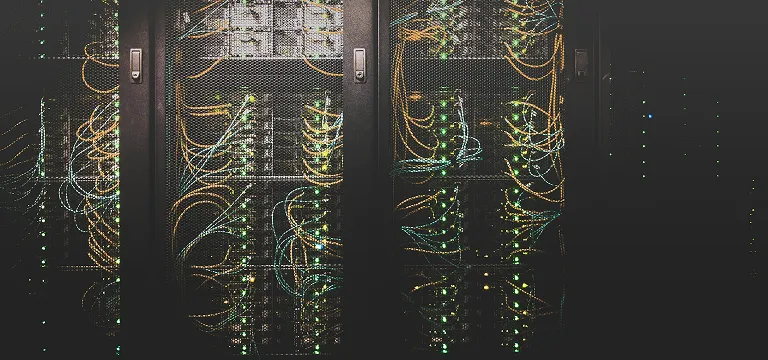
This energy consumption occurs regardless of whether the data is actively used or not.
As the volume of unused data grows, so does its environmental impact. Storing data “by default” in always-on systems leads to avoidable emissions and unnecessary resource consumption. In many organizations, the choice to keep everything online is driven by convenience rather than actual access needs.
However, not all data requires instant availability.
Long-term records, archives, and preserved information are rarely accessed, yet they are often treated as operational data. This approach results in overpowered storage strategies that increase energy use without delivering additional value.
Rethinking this default model is a key step toward reducing data garbage and building more sustainable data infrastructures.
Offline storage as a sustainable alternative
Reducing the environmental impact of data garbage requires a fundamental shift in how data is stored over time. Not all data needs to remain online continuously.
Offline storage drastically reduces energy consumption by eliminating the need for permanently powered infrastructure. When data is stored offline, it no longer requires electricity for servers, cooling, or constant system availability. This makes offline preservation one of the most effective ways to limit emissions associated with long-term data retention.
piqlFilm provides a robust and durable offline storage medium designed specifically for long-term preservation.

It offers high data integrity, technological independence, and a lifespan measured in centuries rather than upgrade cycles. Importantly, offline does not mean inaccessible. With piqlConnect acting as an intermediary layer, data stored on piqlFilm can be retrieved and made available when needed, while remaining offline—and emission-free—the rest of the time.
This hybrid approach allows organizations to balance accessibility with sustainability while making their efforts measurable.
Data is preserved securely and reliably, without the environmental cost of keeping large volumes permanently online. By moving non-active data offline, organizations can not only significantly reduce data garbage, but also track their contribution to emission reduction. With piqlConnect, this impact can be documented and integrated into sustainability and ESG reporting, turning responsible data preservation into a concrete, reportable climate action.
Data garbage is no longer a marginal technical issue, but a growing sustainability challenge. Addressing it does not require deleting valuable information, but managing data more intelligently throughout its lifecycle. By rethinking where and how data is stored, organizations can reduce emissions without compromising access, integrity, or compliance. Offline preservation is not a step backward, but a strategic move toward more responsible and sustainable data management.
Organizations seeking to reduce their digital environmental footprint are invited to contact us to explore how offline preservation can support their sustainability and ESG objectives.
The greenest data is not the data you delete—but the data you store responsibly.